
Ling- English
The invisible Bob and Martha
Organizations have their own humus — an invisible living layer of trust, memory, and relationships that forms slowly and can be destroyed in an afternoon. Meet the people who live there deliberately.
Ling- English
Organizations have their own humus — an invisible living layer of trust, memory, and relationships that forms slowly and can be destroyed in an afternoon. Meet the people who live there deliberately.

Ling- English
A cabinet maker works with the grain, not against it. Management works the same way — and the practice doesn't protect you from using it badly.

Ling- English
How are they feeling today? Are they after a big win that’s taken a lot of time and energy, or a quick win from being clever and nimble? Are they after a loss, a big loss, like a major project they worked on, prepared, pitched, and got a no?

Ling- English
Gandhi's followers could walk away. Yours can't afford to. This essay names the structural gap between visible engagement and genuine commitment that no open-door policy closes.

Ling- English
In a small city, a bookseller named Javier curated a pile of books for every visit—drawn from conversations about dissertations, hockey, and a losing soccer team. This is an essay about that kind of knowing, why it rarely survives the big city, and the workaround one reader has invented: buy three,

Ling- English
My boss once addressed a serious misstep with a single question. What he chose not to say taught me more about leadership and respect than any debrief ever could.

Ling- English
What if everything we assume about leadership and influence is backwards? True influence exists only when you completely abandon the intention to influence—a paradox that reframes management as craft rather than performance.

Ling- Français
Every promotion asks you to surrender the capabilities that made you successful. The engineering manager coding at night isn't integrating technical skills—she's keeping a dead identity on life support. As you move from IC to manager to organizational leader, each transition demands you find meaning
Ling- English
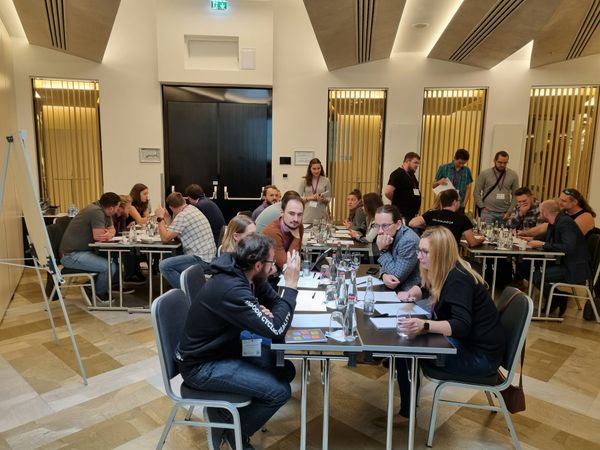
When a group begins to think together, something shifts. The room transforms from a physical space into collective intelligence with its own life. This happens not through facilitation techniques, but through a critical mass of people willing to be truthfully present with themselves. For the room to

Ling- English
Most teams excel at critiquing ideas but struggle to generate them. The "counterpuncher syndrome" explains why organizations full of smart people often fail to innovate—they've been trained to respond and criticize rather than initiate and create. This defensive mindset, reinforced by meeting struct

Ling- English
Drawing from jazz and funk music principles, this post explores how "keeping it on the one" - maintaining a steady foundational beat - translates into powerful management philosophy. Just as musicians need a shared pulse to stay synchronized, successful teams require clear, dependable reference poin

Ling- English
Delve into why traditional views of workplace motivation fall short and discover how understanding the complex web of employee motives—intrinsic, extrinsic, and transcendent—can transform organizational leadership. Through the story of Vicky, a dedicated physician, learn how multiple motives coexist