You're Already a Philosopher. The Question Is Whether You Know It.
Every management decision rests on a belief about human nature, whether you've examined it or not.
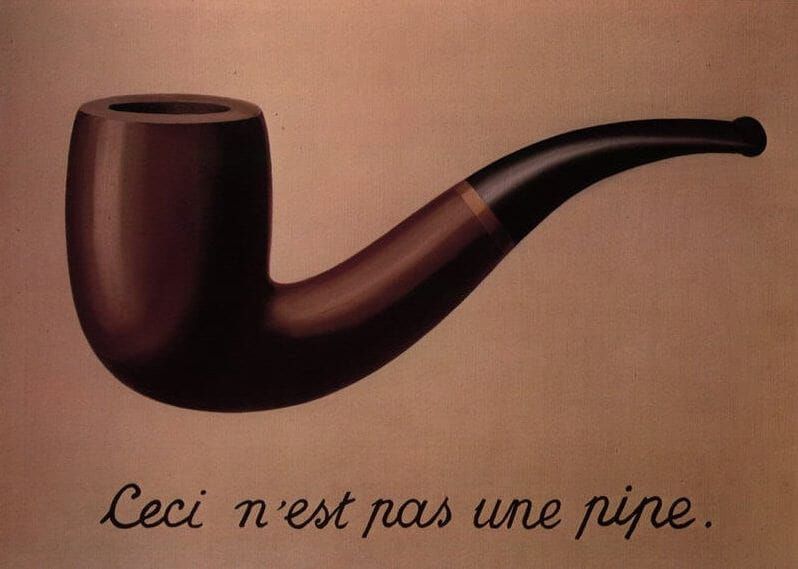
You say you treat everyone equally. What does that mean, exactly? No, really. Say it out loud. Try to explain it to someone who doesn't already agree with you.
Notice where you hesitate. Notice where you reach for borrowed language: phrases you've heard in training sessions, things that sound right because everyone says them. Now ask yourself: whose idea is this, really?
Every management decision you make rests on a philosophical claim about human nature. You can't escape this. When you decide how to give feedback, you're acting on beliefs about what people are and what they're capable of. The only question is whether these beliefs are yours, or whether you inherited them without noticing.
Listen to the language you use: "My people." "My team." "The people who work for me." What do you mean by "my"? Don't answer quickly. Sit with it. The words reveal something you might not have chosen if you'd been asked directly.
Here's a philosophy embedded in much of management practice: "people are inert. They need to be motivated, which is to say, moved by something external to themselves. Push them or they won't go anywhere".
Do you believe this?
Because if you do, you'll build one kind of practice. If you don't, if you believe people already have their own momentum and your job is something else entirely, you'll build another. Both are philosophical positions. Neither is self-evident. Both have consequences.
The problem isn't that you have a philosophy. The problem is thinking you don't.
The manager who says "I just focus on what works" has made a philosophical claim: that pragmatism without reflection is possible, that effectiveness can be separated from the assumptions that define it. This is also a philosophy. Just an unexamined one.
So what do you actually believe about the people you work with? Not what you're supposed to believe. Not what sounds good in a leadership book.
What do your actions suggest you believe? Because that's your real philosophy. And it's operating whether you've articulated it or not.
==